
How We Work on a Pest Problem
What a pest control job generally involves, the rules that keep it safe, and how a household can prepare for it.
Why Every Job Starts with an Inspection
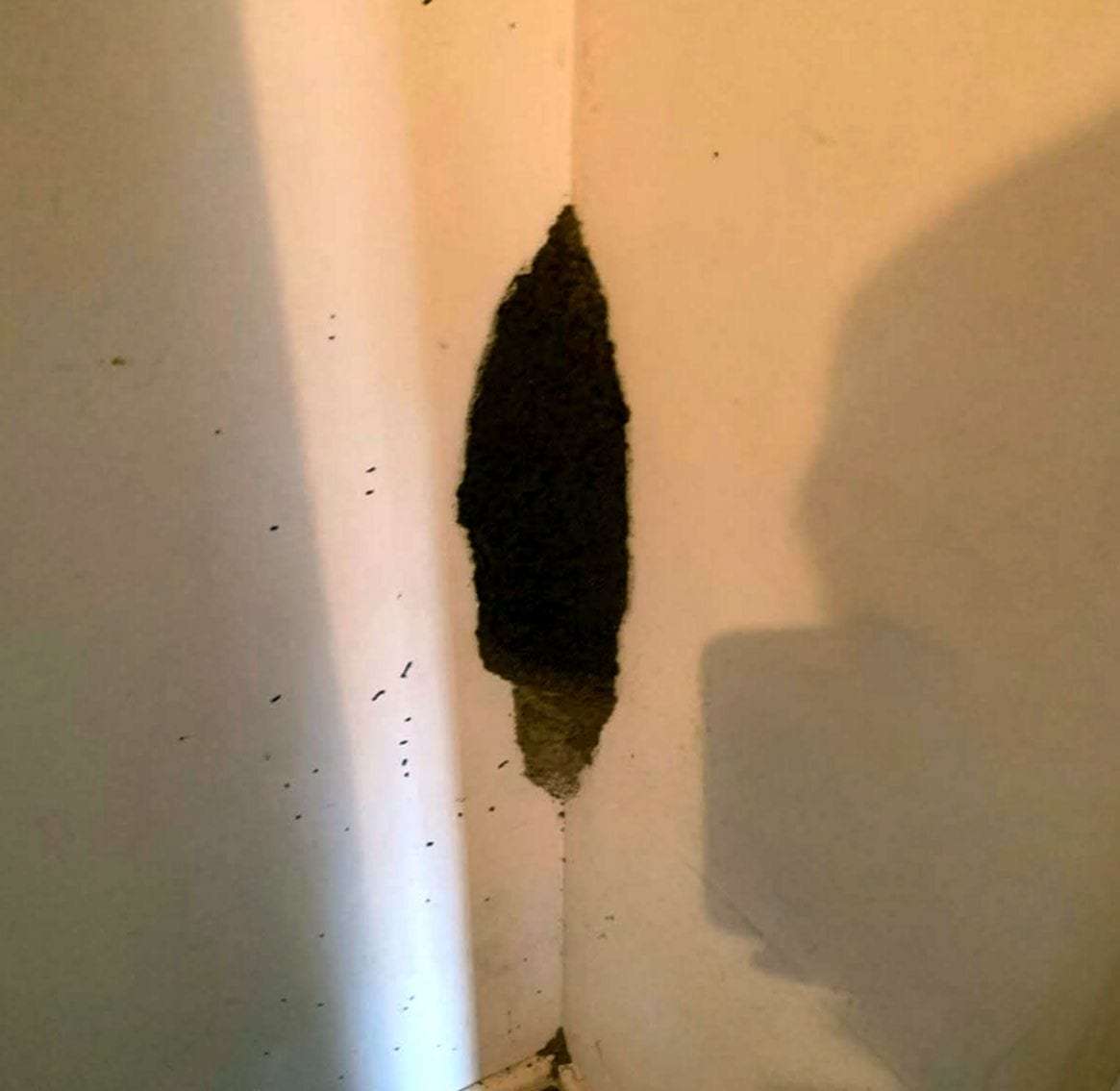
Since the start, every job we take on has begun with an inspection, to find where the pests are getting in and what is drawing them. The treatment is then matched to what turns up: a gap around a pipe, a damp sill plate, a crack along the foundation, a nest inside a wall.
The reasoning is plain. Treating only the pests in view tends to clear a room for a while and then let the problem return by the same route: mice keep using the same gap, and ants keep following the same trail to the same leak. An inspection that finds the route and the attraction lets the treatment last, and it often shows what the household can change, such as a dripping pipe, food kept in open bags or firewood stacked against the siding.
Sometimes the inspection opens things up. A soft patch of wall, a scatter of dark specks along a floor or a gnawed corner can lead into a cavity where a problem has been building for months, out of sight.
Stages of a Typical Pest Control Job
Most jobs move through the same stages, though a single wasp nest may need one visit while termites or bed bugs need several.
| Stage | What generally happens | What the homeowner does |
|---|---|---|
| First contact | The problem and the property are described, and an inspection is arranged. | Calls or sends the estimate request, noting children, pets and any aquarium in the home. |
| Inspection | The property is checked inside and out for entry points, signs of activity, moisture and food sources. | Answers questions about past treatments, leaks, recent repairs and when the trouble began. |
| Findings | What turned up is explained, with the treatment matched to it and any preparation it needs. | Asks questions and agrees to the plan before any treatment begins. |
| Preparation | Rooms are readied as the pest and the product require. | Puts food away, covers fish tanks, settles pets elsewhere and does any laundering the treatment calls for. |
| Treatment | The treatment matched to the findings is carried out, every product used as its label directs. | Keeps children and pets away from the work. |
| Re-entry | Treated areas are left to dry, or kept closed as long as the label requires. | Keeps everyone off treated surfaces until they are dry, then airs the rooms. |
| Afterward | Pests whose eggs hatch later, such as cockroaches and bed bugs, generally need more than one visit. | Watches for new activity, leaves baits in place and keeps up the changes that remove food, water and shelter. |
Attics, Crawl Spaces and Other Places Out of Sight
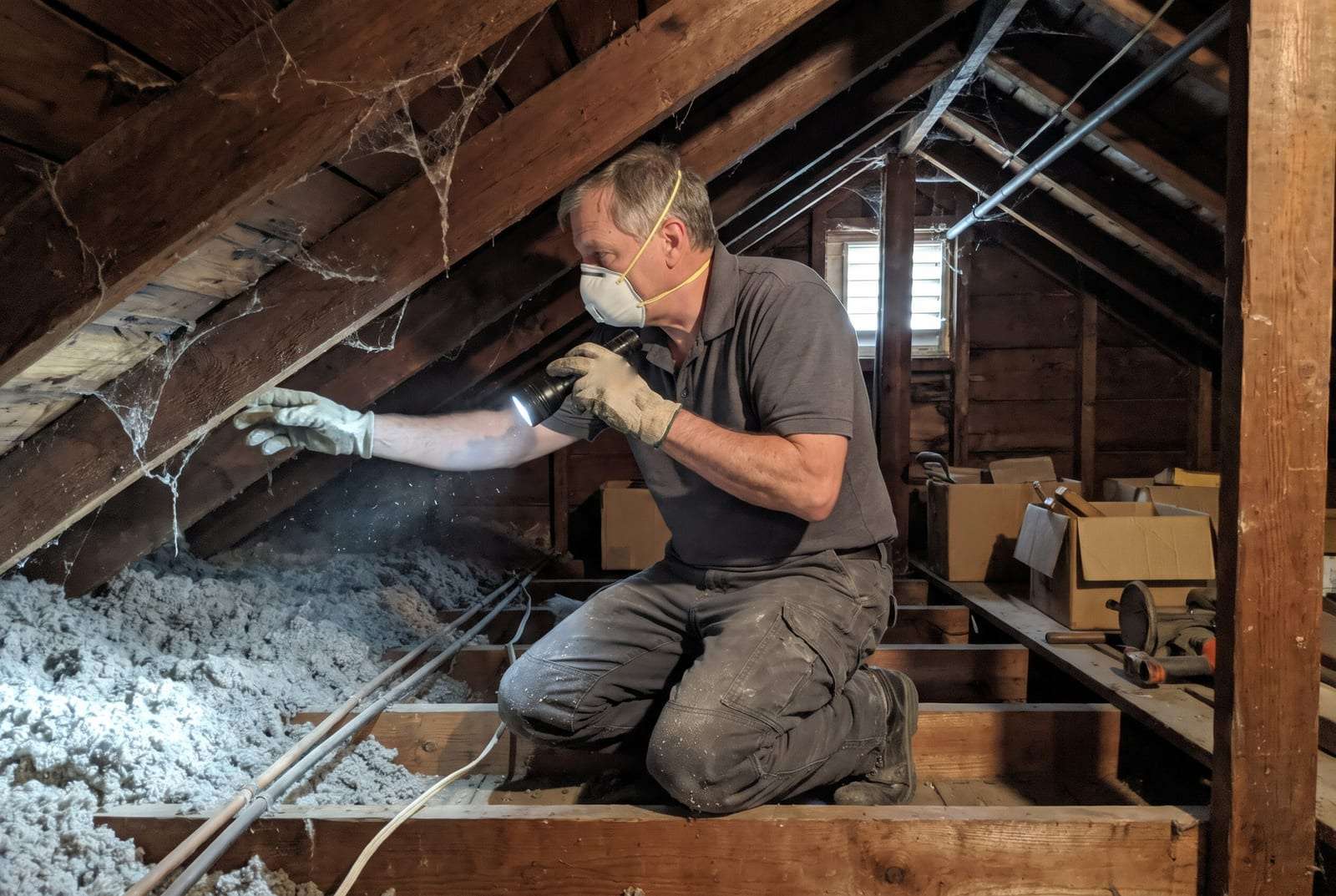
Much of an inspection happens where nobody normally goes. In an attic, the insulation is checked for runways, nesting and droppings, the rafters and soffit vents for gaps, and the openings around the chimney, wiring and vent pipes for routes that mice, rats or wasps could use.
Crawl spaces get the same attention from beneath. A flashlight along the sill plate and the floor joists picks up termite mud tubes, damp wood, gaps around pipes and torn vapor barrier, and each of them changes the treatment. Dayton’s older houses, with stone or brick foundations and damp basements, add openings of their own in worn mortar and around old utility lines. Where the inspection finds the gaps mice and rats use, sealing them is part of rodent control.
Product Labels, State Rules and Re-Entry
Every pesticide sold in the United States carries a label, and in the trade it is said that the label is the law. Federal rules make it unlawful to use a product in any way its label does not allow, so the label sets the rate, the places it may go, the pests it may be used against and how long people and pets stay away.
Within the state, the Ohio Department of Agriculture is the agency that regulates pesticide use, and it enforces those label directions alongside the federal Environmental Protection Agency, which approves the wording of each label.
Re-entry guidance comes from the label as well. As a rule, children and pets stay off treated surfaces until they are dry, or longer if the label says so. Baits and dusts belong where small hands and paws cannot reach them, and rodent bait outdoors belongs in tamper-resistant stations.
Are pest control products safe around children and pets?
When products are used as their labels direct, and children and pets stay off treated surfaces until they are dry, exposure is kept low. Much modern pest control also relies on baits, gels and dusts placed in cracks and voids instead of broad spraying, which keeps the product where people and animals do not go.
Do we need to leave the house during a treatment?
For most treatments, no. Some labels ask people and pets to stay out of a treated room until the product dries, and a few ask for more. The label decides, so it is worth asking about before the day of the treatment.
Is a store-bought spray safer than a professional treatment?
Not necessarily. Store-bought sprays and foggers are often used well past their label rates, sprayed where the pests are not, and left within reach of children and pets; foggers in particular coat open surfaces and miss the cracks where pests live. Whatever the product, following its label is what keeps it safe.
Pets, Children, Fish Tanks and Kitchens
A household with pets, small children, an aquarium or a busy kitchen needs a little more preparation than most, and a little more care afterward.
Before Treatment
- Put food, dishes and utensils away in closed cupboards or the refrigerator, and clear the counters in the rooms being treated.
- Pick up children’s toys, pet bowls and pet beds from the floors of the treated areas.
- Cover fish tanks with plastic and switch off the air pump, since the pump draws room air into the water.
- Settle pets in a room that is not being treated, and move bird cages out of the treated rooms, since birds are sensitive to anything in the air.
- Mention anyone in the house with asthma, allergies or a pregnancy.
After Treatment
- Keep children and pets off treated surfaces until they are dry, or for as long as the label says.
- Air the rooms, then uncover the fish tank and switch the pump back on.
- Wash any food preparation surface in a treated room before using it, and rinse pet bowls before refilling them.
- Leave baits, stations and treated cracks alone: mopping the baseboards or moving a bait station weakens the treatment.
- Expect a few insects for a short while as the treatment drives them out of hiding.
What Widens or Narrows the Work
No two jobs are the same size. How much ground the inspection covers, how much treatment it takes and how many visits it needs depend on the kind of property, the pest, how far it has spread, how easily the attic or crawl space can be reached, and whether one visit is likely to settle it.
Weigh the Factors for Your Property
Choose what fits; the result names the factors, never a price.
Choose the details that fit your property, then press the button to see what usually widens or narrows the work.
Setting Up an Inspection
Call or send an estimate request, and the work will begin where it always does, with finding how the pests are getting in.